
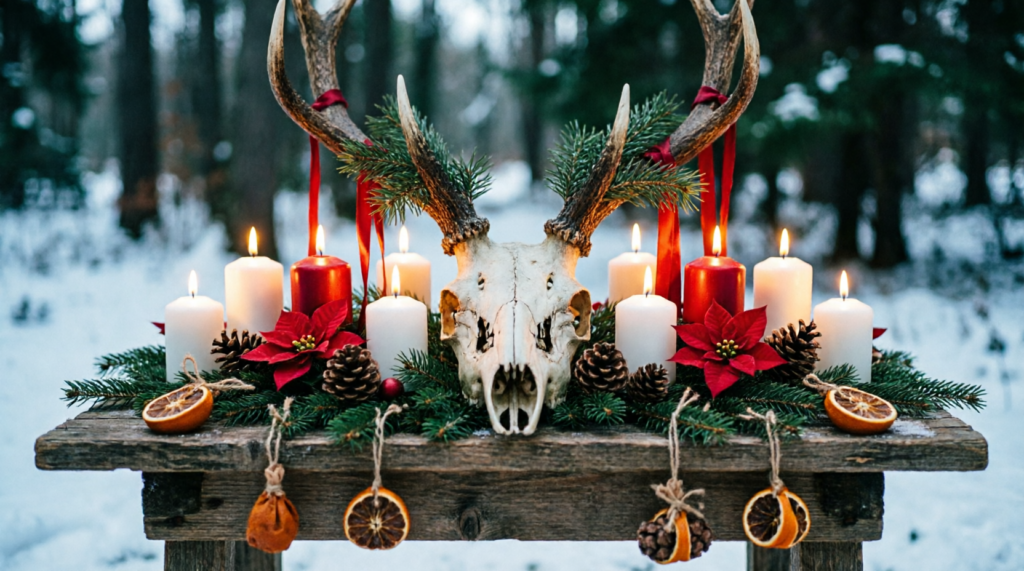
Many people ask about witch holidays and how practitioners celebrate them throughout the year. These special days mark the changing seasons and the cycles of nature.
Witches follow a calendar called the Wheel of the Year to track these important events. Understanding witch holidays helps us appreciate the deep connection between humans and the earth.
This guide will walk you through every major celebration. You will learn the history and the magic behind each date.
People have observed these ancient rhythms for thousands of years. The early farmers watched the sky to know when to plant and harvest.
We still use their wisdom today to stay grounded. You can start observing these special days with a few simple steps.
Many people use these easy methods to connect with the seasons. You can create a small nature altar with seasonal items.
Read books to learn the lore and history. Join local groups to celebrate together and share the joy of witch holidays.
Understanding Witch Holidays and the Wheel of the Year
The Wheel of the Year consists of eight major celebrations. Practitioners call these special gatherings Sabbats.
Four of these events mark the solar points like solstices and equinoxes. The other four mark the cross quarter days falling between the solar points.
Together they create a complete circle of the seasons. This calendar helps people stay connected to the earth.
It provides a steady rhythm for daily life and magical practices. Learning about witch holidays reveals the beautiful patterns of the natural world.
Witches view time as a circle rather than a straight line. Every ending naturally becomes a new beginning.
This perspective brings comfort and hope during difficult times. The ancient roots of witch holidays show us how our ancestors survived and thrived.
Let us explore the eight major witch holidays in order. We will start at the end of the year and move forward.
Samhain
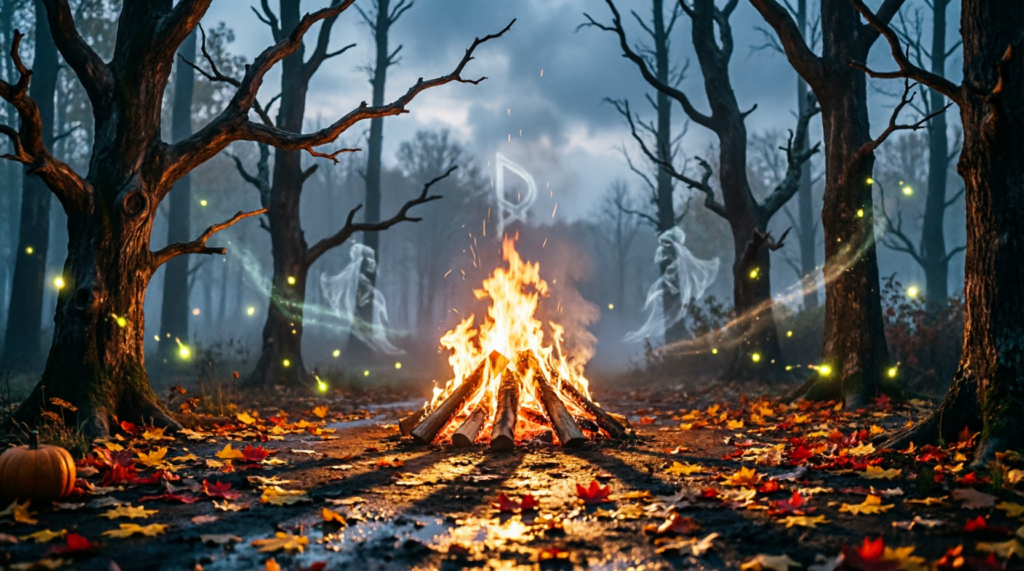
Samhain marks the new year and the end of the harvest season. People celebrate this holiday on October thirty first.
It honors the dead and the thinning veil between the living and the spirit world. Practitioners consider Samhain the most important of all witch holidays.
It sets the tone for the entire cycle of the year. Families remember those who have passed on.
The autumn leaves fall and the air turns crisp. Nature goes to sleep to prepare for the winter.
Traditions of Samhain
Practitioners set up altars to remember their ancestors. They leave food out for the spirits of loved ones.
Bonfires burn bright to protect the community from dark forces. People also carve root vegetables to light the way for spirits.
Meaning of Samhain
This holiday teaches us to respect the cycle of life and death. It reminds us that endings always lead to new beginnings.
Witches use this time to release old habits and welcome fresh starts. They honor those who came before them.
Magical Correspondences
Witches use specific items to enhance their Samhain rituals. The traditional colors include black, orange, and deep purple.
Witches use obsidian and black tourmaline crystals for protection. These items make the witch holidays feel more magical and connected to history.
Yule
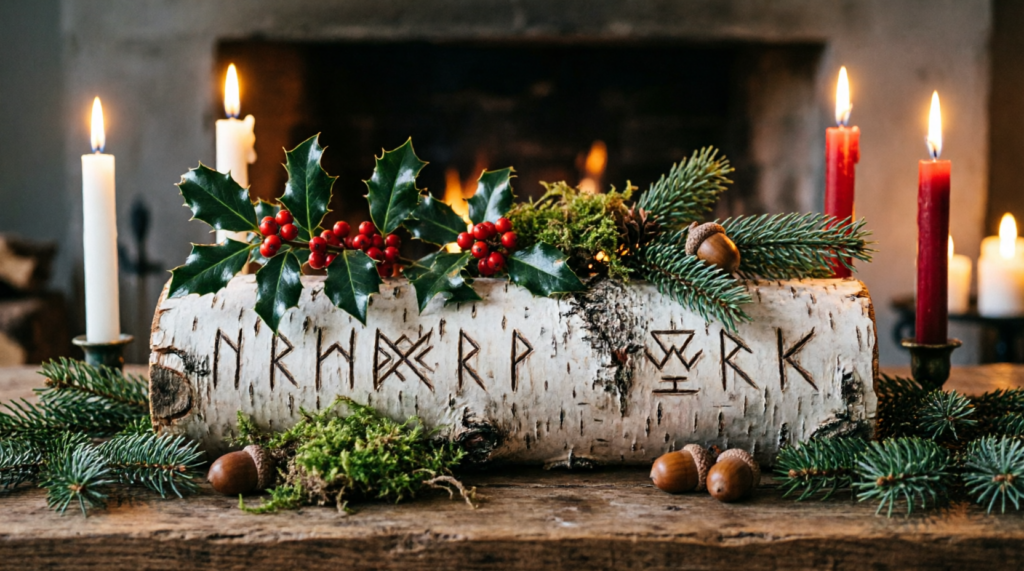
Yule celebrates the winter solstice and the return of the sun. People observe this holiday around December twentieth first.
It marks the longest night of the year and the rebirth of the solar light. Yule brings warmth to the cold winter witch holidays.
Families gather indoors to share love and comfort. They look forward to the longer days ahead.
The winter days grow cold and dark. People stay inside to keep warm.
Traditions of Yule
Witches burn a Yule log to bring good luck for the coming year. They decorate their homes with evergreen branches to symbolize eternal life.
Families gather to share warm meals and exchange small gifts. They also sing traditional songs to welcome the light.
Meaning of Yule
This festival brings hope during the darkest time of the year. It celebrates the triumph of light over darkness.
Practitioners focus on rest and reflection during this quiet season. They recharge their spirits for the busy months ahead.
Magical Correspondences
The colors of Yule feature red, green, gold, and white. Witches burn cinnamon and pine scented candles.
They use crystals like citrine and garnet to attract prosperity. These elements make Yule one of the coziest witch holidays.
Imbolc
Imbolc falls on February first and celebrates the first signs of spring. The holiday honors the Celtic goddess Brigid and the awakening of the earth.
People look for early snowdrops and other signs of new life. Imbolc provides a quiet time among the spring witch holidays.
It offers a gentle transition from the deep cold of winter. The days start to get noticeably longer.
The snow begins to melt. Small green shoots push through the soil.
Traditions of Imbolc
Witches light many candles to welcome the returning warmth. They craft Brigid crosses out of reeds to protect their homes.
People also clean their houses to clear out old energy. They prepare their spaces for the new growth of spring.
Meaning of Imbolc
This day represents purification and spiritual growth. It encourages practitioners to set new intentions for the year.
The holiday bridges the gap between the deep winter and the coming spring. It provides a time of quiet preparation and hope.
Magical Correspondences
White, silver, and pale green act as the main colors of Imbolc. Witches use snowdrop and daisy flowers in their spells.
Clear quartz and amethyst help focus the mind during this time. These simple items bring a fresh energy to the witch holidays.
Ostara
Ostara marks the spring equinox when day and night are equal in length. People celebrate this holiday around March twentieth.
It honors the balance of light and dark and the blooming of the earth. Ostara provides a joyful addition to the witch holidays.
The air fills with the sweet scent of blooming flowers. Birds return and the world wakes up from its winter sleep.
The gardens fill with bright colors. Bees buzz from flower to flower.
Traditions of Ostara
Practitioners plant seeds to symbolize new growth and future plans. They decorate eggs to represent fertility and new life.
Witches spend time outdoors to connect with the waking nature. They walk in the woods to gather fresh herbs.
Meaning of Ostara
This holiday focuses on balance and harmony in all things. It teaches us to nurture our dreams as they begin to sprout.
The equal day and night remind us to find peace in our own lives. We learn to balance work and rest.
Magical Correspondences
Pastel colors dominate Ostara. Witches use clover and violet herbs for luck and love.
Rose quartz and moonstone promote emotional balance during the equinox. These gentle tools fit perfectly with the spring witch holidays.
Beltane
Beltane happens on May first and celebrates the peak of spring. The holiday focuses on fire, passion, and the blooming of flowers.
Witches welcome the warmth of the approaching summer. Beltane stands out as one of the most festive witch holidays.
Music and dancing fill the air during this lively celebration. The earth turns completely green and full of life.
Animals play in the warm sunshine. The fields are ready for the summer heat.
Traditions of Beltane
People dance around the Maypole to weave the energies of the community. Witches build large bonfires to encourage the sun to shine brightly.
They also gather fresh flowers to decorate their homes and altars. Couples often jump over the broom to symbolize their union.
Meaning of Beltane
This festival celebrates love, fertility, and joy. It encourages practitioners to embrace their passions and creative energy.
The holiday reminds us to enjoy the vibrant beauty of the natural world. We celebrate the fire of life within ourselves.
Magical Correspondences
Bright green, red, and floral pink represent the energy of Beltane. Witches use rose and hawthorn flowers in their love spells.
Emerald and aventurine crystals attract abundance and romance. These bright items make the witch holidays feel very alive.
Litha
Litha marks the summer solstice and the longest day of the year. People observe this holiday around June twentieth first.
It celebrates the peak of the sun and the full power of nature. Litha shines brightly among the summer witch holidays.
The long days allow for plenty of outdoor activities and fun. The sun stays in the sky for many hours.
The heat warms the soil. Crops grow tall in the fields.
Traditions of Litha
Witches gather herbs at their peak magical power. They spend the day outdoors enjoying the warm sunshine.
Bonfires burn high to honor the strength of the sun god. People swim in rivers and lakes to connect with the water.
Meaning of Litha
This holiday represents abundance and the height of personal power. It reminds us to appreciate the gifts of the earth.
Practitioners also acknowledge that the days will soon start getting shorter. We enjoy the light while it lasts.
Magical Correspondences
Gold, orange, and bright yellow capture the essence of Litha. Witches use sunflower and chamomile herbs for vitality.
Tiger eye and sunstone crystals boost confidence and energy. These sunny items reflect the bright nature of the witch holidays.
Lughnasadh
Lughnasadh falls on August first and marks the first harvest of the year. People also call this holiday Lammas.
It honors the Celtic god Lugh and the ripening of the grain. Lughnasadh introduces the harvest phase of the witch holidays.
The fields turn golden as the crops reach their peak. The air feels warm but hints at the coming autumn.
Farmers bring in the first crops. The bread ovens stay busy all day.
Traditions of Lughnasadh
Witches bake bread from the first harvested grain. They create corn dollies to represent the spirit of the harvest.
Practitioners hold feasts to share the bounty of the earth. They give thanks for the food on their tables.
Meaning of Lughnasadh
This day focuses on gratitude for the food we eat. It teaches us to reap the rewards of our hard work.
The holiday also prepares us for the slower months of autumn. We reflect on the goals we have achieved so far.
Magical Correspondences
Brown, orange, and dark green reflect the harvest season. Witches use wheat and heather in their prosperity spells.
Citrine and carnelian crystals draw wealth and success. These earthy items ground the energy of the witch holidays.
Mabon
Mabon celebrates the autumn equinox when day and night are equal again. People observe this holiday around September twentieth first.
It marks the second harvest and the official start of fall. Mabon completes the cycle of the witch holidays.
The air grows crisp as the leaves begin to change color. The world prepares for the long sleep of winter.
The wind blows the leaves across the yard. Squirrels gather nuts for the cold months.
Traditions of Mabon
Witches decorate their altars with pinecones, acorns, and autumn leaves. They drink cider and eat seasonal fruits like apples and pears.
Practitioners give thanks for the final harvest before winter. They also honor the balance of light and dark.
Meaning of Mabon
This holiday emphasizes balance and thankfulness. It encourages people to reflect on their personal harvest and achievements.
Witches use this time to prepare their homes and minds for the coming winter. They store up energy for the cold months.
Magical Correspondences
Rust, maroon, and deep brown act as the colors of Mabon. Witches use apple and cinnamon in their gratitude rituals.
Smoky quartz and lapis lazuli provide grounding and wisdom. These rich colors make the witch holidays feel very cozy.
Conclusion
The wheel turns continuously and brings us back to the start. Each of these witch holidays offers a unique way to connect with nature.
Practitioners find deep meaning in celebrating the changing seasons. You do not need to be a witch to enjoy these seasonal shifts.
Anyone can pause to appreciate the beauty of the natural world. The lessons of the witch holidays apply to everyone living on this earth.
Take time to observe the sun and the moon this year. Notice how the leaves change and the flowers bloom.
The magic of the witch holidays belongs to all of us. Embracing these traditions brings peace and joy to your daily life.
The cycle of the seasons will always guide you. You can celebrate the witch holidays in your own special way.